





PRODUCT DETAILS
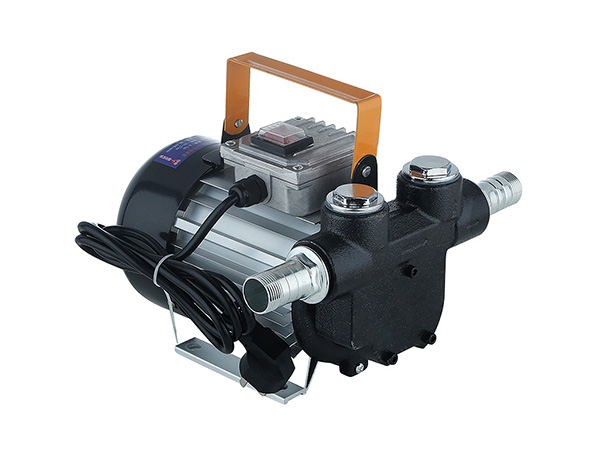
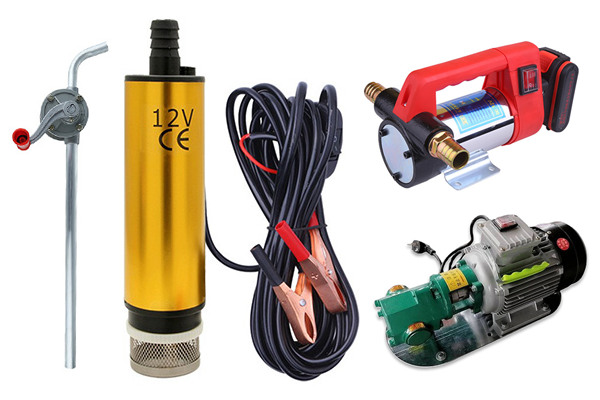
High power diesel oil pump
High power diesel oil pump, simply put, is an industrial grade oil pumping/transportation equipment driven by a diesel engine, capable of operating without electricity, with high flow/head, and mobility. It is commonly used in field oil depots, oil fields, ship refueling, construction site oil supply, and emergency transportation. Below, we will explain from the aspects of core parameters, types, structures, selection, and maintenance.
1. Core Definition and Characteristics
Power: Direct drive diesel engine, no need for external power supply, honest merchant in outdoor/no electricity scenarios.
Power range: Industrial grade units typically * * ≥ 30kW (40HP), while large units can reach 2000kW * *. Flow rate: 10-2000m ³/h; Head: 20-1600m.
Medium: diesel, engine oil, heavy oil, aviation kerosene, etc. (suitable viscosity ≤ 500mm ²/s). Advantages: Self suction strength (3-8m), trailer/sled mobility, explosion-proof (based on actual reports), high temperature resistance (based on actual reports), and stable continuous operation.
Secondly, mainstream types (according to pump head structure)
Self suction centrifugal pump (commonly used)
High flow, medium low head, simple structure and easy maintenance. Flow rate: 50-2000m ³/h; Lift: 20-150m.
Applications: oil tank dumping, dock unloading, and bulk refueling on construction sites.
Gear/screw pump (high viscosity one-to-one)
Stable pressure and small pulsation, suitable for high viscosity oils such as engine oil and heavy oil.
. Flow rate: 5-200m ³/h; Pressure: 1-5 MPa. Application: Heavy machinery oil supply, boiler heavy oil transportation, lubricating oil system.
High pressure plunger pump (higher head)
High pressure, low flow, suitable for deep well pumping and high-pressure injection.
Flow rate: 1-50m ³/h; Pressure: 10-50MPa.
Applications: oilfield water injection, high-pressure cleaning, long-distance transportation.
Diaphragm pump (containing impurities/corrosive oil)
No blockage, good sealing, and may contain a small amount of particles.
Flow rate: 5-100m ³/h; Lift: 50-200m.
Application: oil recovery, oily wastewater treatment.
III. Typical Parameters (Industrial Grade)
Diesel engine power: 30kW (40HP), 55kW (75HP), 110kW (150HP), 220kW (300HP), etc. Caliber: DN50 (2 inches) - DN250 (10 inches).
Speed: 1500-3000r/min (commonly 1500/2200). Self suction height: 4-6m (dry suction does not require oil injection). Material: pump body cast iron/stainless steel, impeller cast steel/stainless steel, sealing fluororubber.
Installation forms: fixed, trailer mounted, pry mounted, vehicle mounted.
IV. Basic Structure
Diesel engine: power source, air-cooled/water-cooled, with starter motor, fuel tank, muffler.
. Pump head: centrifugal/gear/plunger/diaphragm, responsible for pumping and boosting oil.
Transmission system: coupling/pulley, connecting the diesel engine and pump shaft.
. Self suction/sealing system: self-priming chamber, mechanical seal, reflux valve, to protect dry suction and prevent leakage. Base/Trailer: Steel base or trailer chassis with shock absorbers. Control and safety: throttle, clutch, pressure gauge, safety valve, emergency stop.
Fifth, selection points (directly applicable)
Flow rate: hourly oil delivery volume x 1.1 (redundant).
. Head: vertical height+pipeline resistance+safe margin (≥ 20%).
Medium viscosity:
Diesel/gasoline (low viscosity) → centrifugal pump;
Engine oil/heavy oil (high viscosity) → Gear/screw pump. Power matching: Diesel engine power ≥ pump shaft power × 1.2 (overload prevention).
Environment:
Wilderness/no electricity → diesel engine drive;
Explosion proof (based on actual reports) zone → Explosion proof (based on actual reports) diesel engine+Explosion proof (based on actual reports) motor; Low temperature → air cooling+low-temperature starting device.
6. Use and Maintenance
Before starting
Check the diesel, engine oil, and cooling water (for water-cooled models).
Confirm that there are no foreign objects inside the pump and that there is no leakage in the seal.
. The oil suction pipe is well sealed, and the bottom valve/filter is intact.
Start running
Start at low speed without load first, and then gradually load.
. Observe pressure, temperature, vibration, and noise during operation.
It is strictly prohibited to idle (dry grinding seal), overpressure, and overspeed.
Daily Maintenance
Engine Oil: Change every 200 hours, check the oil level daily.
Fuel filter element: replace after 50-100 hours to prevent impurities from damaging the fuel injector.
Seals: Check monthly and replace any leaks in a timely manner.
. Winter: Drain the cooling water and use -10 #/-35 # low pour point diesel.
 BLOGS
BLOGS
-
Can Hand Crank Oil Pump Extract Lubricating Oil?
2026-04-21 09:30:28
-
Common Faults and Troubleshooting of Hand Crank Oil Pump
2026-04-21 09:29:07
-
How to Fix Oil Leakage of Hand Crank Oil Pump
2026-04-21 09:27:15
-
Why Hand Crank Oil Pump Cannot Pump Oil&Solutions
2026-04-21 09:26:21
-
Can a hand oil pump extract engine oil?
2026-04-21 09:26:10
CONTACT US
—— E-mail:sailingcncz@gmail.com
—— Tel:8615130806669
—— WhatsApp:+85260870291